

Groceries sit between fixed and discretionary spending, which is exactly why they drift. The total is rarely a single decision and almost always the sum of small habits.
Shopping Without a Plan
An unplanned trip is the single most expensive way to buy food. Without a list, the store decides what you buy, and stores are designed with great care to make that decision expensive. Layout, placement and promotion all push toward volume rather than toward what you actually need this week.
A list built from a rough meal plan changes the trip from browsing to retrieval. You do not need an elaborate plan, only enough structure to know what the week requires. Households that make this one change usually see a measurable drop in the total without feeling that they are eating differently.
Frequency matters as much as planning. Each additional trip introduces another chance to add items that were not needed, and the extras rarely replace anything from the previous visit. Fewer, better planned trips almost always beat frequent small ones on total spend.
Timing the trip to your actual cooking schedule helps as much as the list itself. Shopping two days before you will cook means buying what the plan needs, while shopping on a vague schedule means buying what might be needed, and might is always more expensive.
Buying for the Household You Imagine
Many grocery budgets are built for an idealized version of the household. Ambitious ingredients for meals that never get cooked, healthy items bought with good intentions, produce purchased in quantities that outlast their shelf life. The waste is not dramatic, it is steady.
Tracking what gets thrown away for two weeks is uncomfortable and extremely informative. The discarded items are almost always the same few categories, and once you see them you can simply buy less of exactly those things rather than applying a general cut across everything.
Adjusting to the household you actually have is not a reduction in standards. It is matching purchases to real consumption, which lowers both spending and waste at once. The money saved here comes with no change in what anyone eats, which makes it the easiest reduction available.
Portion sizes are part of the same problem. Buying the larger pack of something perishable only saves money if the household finishes it, and most of the time the difference between the two sizes ends up in the bin rather than on the table.
The Price Per Unit Nobody Checks
Package sizes are designed to make comparison difficult. The larger box is sometimes cheaper per unit and sometimes not, and the difference is often large enough to matter across a full year of repeat purchases. The shelf label usually carries the unit price, and almost nobody reads it.
Bulk buying only pays when consumption is reliable and storage is real. A large quantity of something you use constantly is a genuine saving. The same quantity of something you use occasionally becomes clutter first and waste second, and the discount never materializes.
Store brands deserve a category by category test rather than a blanket decision. For staples the difference is frequently undetectable and the saving is substantial. For a handful of items the difference is obvious and worth paying for. Testing one category per trip builds that map without any sense of sacrifice.
Convenience Formats and Their Real Cost
Pre-cut, pre-portioned and prepared foods carry a markup that is easy to underestimate. The convenience is genuine and sometimes worth every cent, particularly during a busy stretch. The issue is that these purchases usually become defaults rather than deliberate choices.
Price the convenience explicitly for the items you buy most often. When the markup is small, keep the habit without guilt. When it is large and the preparation takes a few minutes, the decision becomes an hourly rate you can evaluate instead of a vague sense that you should be doing better.
Delivery and service fees belong in the same analysis and are often larger than the price difference on the goods themselves. A single delivery charge can exceed an entire week of careful substitutions, which means the biggest grocery decision is sometimes about how the food arrives rather than what it is.
Keep a short list of the items where convenience genuinely earns its price for your household. Written down, it becomes a deliberate exception rather than a habit, and the rest of the aisle stops being a daily negotiation with yourself about what counts as reasonable.
Shopping While Hungry, Tired or Rushed
Physical state changes purchasing behavior more than most people believe. Shopping hungry reliably increases the total and skews it toward immediate consumption. Shopping while rushed produces the same effect for different reasons, because speed removes the small pauses where comparison happens.
The practical fix is scheduling rather than willpower. Pick a time when you are fed, unhurried and not shopping as a break from something worse. The same list executed in a calm state produces a noticeably smaller total than the identical list executed at the end of a hard day.
None of these habits are dramatic individually, and that is the point. Groceries drain a budget through accumulation rather than through any single bad decision, so the repair is also accumulated. Fixing three of these habits is usually enough to change the monthly figure for good.
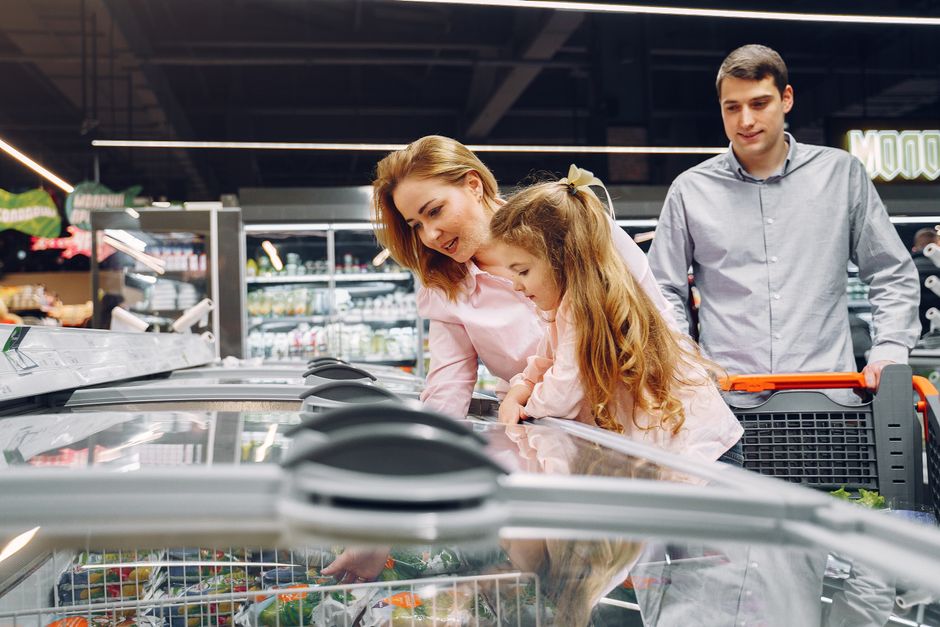
Shopping with company changes the total as well, in both directions. A second adult with the list can keep the trip focused, while children or a hungry partner reliably expand it. Neither effect is a moral failing, but both are worth knowing before you choose who comes along.