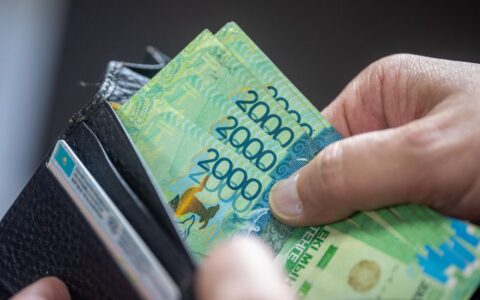


A sinking fund is money set aside a little at a time for something you know is coming. It converts a future shock into an ordinary monthly line.
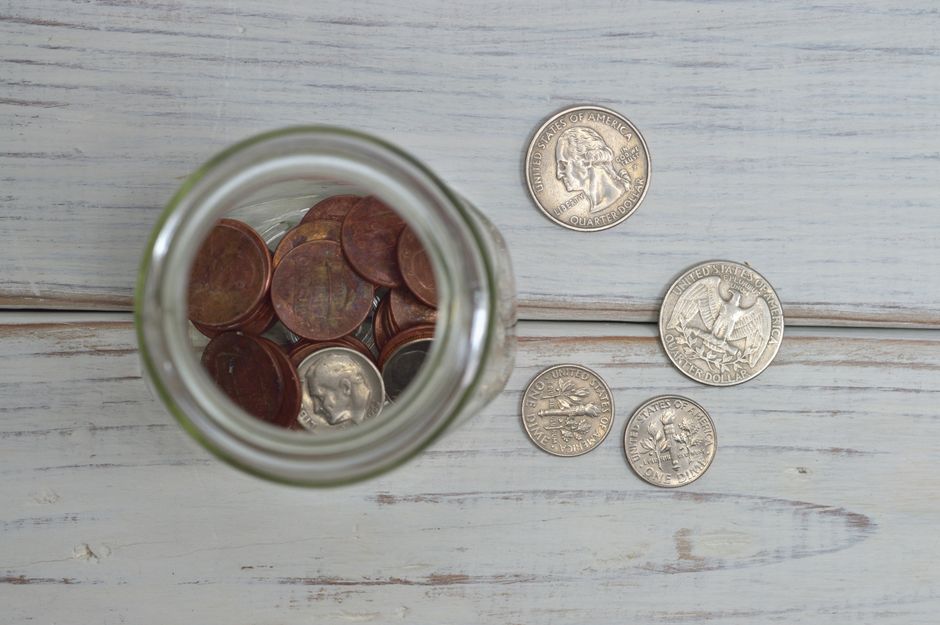
What a Sinking Fund Actually Is
The idea is simple enough that it is often dismissed. Instead of waiting for an expense to arrive and then scrambling, you divide the expected cost by the number of months you have and set that amount aside each month. When the bill comes, the money is already there.
This differs from an emergency fund in one important way. An emergency fund covers things you cannot predict, while a sinking fund covers things you absolutely can. Car registration, holiday gifts, annual insurance premiums and school costs all have dates attached long before they arrive.
The psychological difference matters more than the arithmetic. Paying for something from a pool created for that purpose feels like a plan working, while paying for the identical thing from general funds feels like a setback. Same money, very different effect on whether you keep going.
You can keep several sinking funds in a single account as long as you track the balances separately. The separation that matters is mental and recorded, not necessarily institutional, although many people find a dedicated account makes the money harder to borrow from casually.
Why Panic Spending Is So Expensive
When a known expense arrives without preparation, the options are all bad. Credit at a high rate, a raided savings account, or a scramble that pushes other bills late. Each of those carries a cost beyond the original amount, and the costs compound.
Urgency also destroys comparison shopping. A person replacing a broken appliance today takes whatever is available today, while a person who planned for it chooses on price and quality. The gap between those two outcomes is frequently larger than several months of contributions.
Panic spending tends to arrive in clusters as well. A tight month produces a late fee, which produces interest, which tightens the next month further. The sequence is familiar to anyone who has lived it, and the entry point is almost always a predictable expense that was not funded.
Breaking the cycle requires getting ahead of only one expense at first. The relief from handling a single known cost without borrowing creates enough room to begin the next fund, which is how households climb out of the pattern rather than simply resolving to do better.
Choosing What Deserves a Fund
Start by listing every expense from the past year that was not monthly. Insurance, repairs, gifts, travel, medical, taxes, memberships. Most households find between six and ten items, and are surprised by the combined total when they finally see it in one place.
Rank them by how certain they are and how large. A premium with a known date and a known amount is the easiest possible candidate. A vague category like home repairs is less precise but still worth funding using an average of the last few years.
Some items do not deserve a fund at all. If an expense is genuinely rare and modest, it can come out of ordinary slack without any ceremony. Creating funds for everything turns a useful tool into administrative work that nobody maintains past the second month.
Three to five funds is a practical maximum for most people. Beyond that the tracking burden grows faster than the benefit, and the funds that matter most start receiving less attention because they compete with trivial ones for the same limited patience.
Sizing and Funding Them Without Strain
The basic calculation is the expected cost divided by the months remaining. If the expense is annual and you are starting now, that means twelve contributions. Starting late simply means larger contributions, which is an argument for starting rather than for waiting.
When the total of all contributions exceeds what you can spare, fund the most certain and most damaging ones first. Partial funding still helps. Covering most of a repair bill from savings and a small remainder from cash flow is far better than covering none of it.
Automate the transfers on payday so the decision happens once. Manual contributions depend on a month feeling comfortable, and the months that feel comfortable are not reliably distributed. Automation removes the negotiation entirely and the amount stops registering as a loss within a couple of cycles.
Review the sizing once a year against what actually happened. Costs drift, and a fund built on figures from three years ago will quietly fall short. The annual adjustment takes a few minutes and prevents the slow return of the problem the fund was created to solve.
Keeping the Discipline Over Time
The main threat to a sinking fund is borrowing from it for something else. Once that happens twice, the fund stops being reliable and the household goes back to treating known expenses as surprises. Naming each fund specifically makes this noticeably harder to do casually.
Spending the fund on its intended purpose is not a failure, it is the entire point. Some people resist the withdrawal because the balance feels like progress, then pay by card instead. That defeats the purpose and quietly recreates the cost the fund existed to avoid.
Refill immediately after use rather than waiting for the next cycle to begin. The gap after a withdrawal is when the next unexpected version of the same expense is most likely to catch the fund empty, and resuming contributions straight away closes that window.
Give the system a year before judging it. The first twelve months include the awkward period where funds are still building and expenses still arrive early. After a full cycle, most of the predictable costs have been met from their own pools and the difference in stress is obvious.